

The opioid epidemic has changed over the past two decades. Prescription opioids drove many early deaths. Today, illicitly manufactured fentanyl is involved in a large share of fatal opioid overdoses. The number of deaths has started to fall, but the crisis is far from over. CDC provisional data estimated 44,564 opioid-involved overdose deaths in 2025, down from 55,296 in 2024.
Access to treatment is one part of the response. Medicaid covers a large share of Americans living with opioid use disorder. In 2023, Medicaid covered 47% of nonelderly adults with opioid use disorder. It covered 56% of those receiving medications for opioid use disorder and 64% of those receiving outpatient treatment and peer support services.
Graphic suggestion: Create a three-number statistic graphic showing 44,564 opioid-involved deaths in 2025, 47% of nonelderly adults with OUD covered by Medicaid, and 56% of people receiving MOUD covered by Medicaid. Clearly label the different data years.
What Is the Opioid Epidemic?
The opioid epidemic refers to the widespread health problems linked to prescription opioids, heroin, fentanyl, and other opioid drugs. Opioid use disorder, or OUD, is a medical condition. It can change brain function, behavior, tolerance, and the body’s response to opioids. People with OUD may continue using opioids despite serious effects on their health, relationships, work, or safety.
The substances driving overdose deaths have also changed. Illicit fentanyl and other synthetic opioids now account for much of the current overdose burden. Fentanyl is extremely potent. It can also appear in counterfeit pills or other drugs without the person knowing it is present. This makes overdose prevention, naloxone access, and evidence-based addiction treatment especially important.
Why Opioid Addiction Continues to Affect Communities
Opioid use disorder is not simply a matter of choosing to stop using a drug. It is a chronic, treatable medical disorder. Repeated opioid exposure can affect brain systems involved in reward, stress, motivation, and decision-making. Withdrawal and intense cravings can make stopping difficult without treatment.
Treatment barriers can make the problem worse. Cost, insurance status, transportation, provider shortages, stigma, unstable housing, and limited access to medication can all interrupt care. The changing illicit drug supply adds another risk. Fentanyl can make opioid exposure less predictable and substantially increase the chance of a fatal overdose.
How Medicaid Expands Access to Opioid Addiction Treatment
Medicaid gives many people with opioid use disorder access to treatment they could not otherwise afford. Coverage can include physician services, behavioral health treatment, medications, outpatient care, and other substance use disorder services. Exact benefits can differ by state and Medicaid plan.
The impact is significant because Medicaid covers a large percentage of the population receiving OUD treatment. In 2023, Medicaid covered more than half of nonelderly adults receiving medications for opioid use disorder. It also covered nearly two-thirds of adults receiving outpatient treatment and peer support services for OUD.
Coverage for Medical Detox
Medicaid programs may cover medically necessary withdrawal management when a person needs clinical support while stopping opioids. Coverage and authorization requirements depend on the state, treatment setting, and individual plan.
For opioid use disorder, detox should not be treated as the end of care. The CDC advises against detoxification alone without medications for opioid use disorder. Stopping opioids without continued treatment can increase the risk of returning to use, overdose, and overdose death.
Residential Addiction Treatment
Residential treatment gives patients a structured environment where they can focus on substance use, mental health, daily functioning, and recovery. Coverage for residential treatment varies between state Medicaid programs. States may use their Medicaid state plans and Section 1115 demonstrations to cover additional substance use disorder services.
Residential care is most useful when it is part of a larger treatment plan. Patients may need medication for opioid use disorder, individual therapy, group therapy, psychiatric care, case management, and continued outpatient treatment after discharge.
Outpatient and Intensive Outpatient Care
Outpatient treatment allows patients to receive addiction care while living at home. Services may include therapy, medication management, psychiatric care, drug testing, recovery support, and case management. Intensive outpatient programs provide more frequent treatment while still allowing patients to remain in the community.
These programs can also provide continuity after residential care. Medicaid quality measures specifically track whether patients receive follow-up substance use treatment after inpatient or residential treatment. Follow-up may include outpatient care, intensive outpatient treatment, partial hospitalization, telehealth, or medication treatment.
Medication-Assisted Treatment
Medication-assisted treatment is now more commonly called medications for opioid use disorder, or MOUD. These medications can reduce withdrawal symptoms, control cravings, and support long-term recovery.
Federal Medicaid law includes MOUD as a mandatory benefit. Federal legislation made this Medicaid benefit permanent rather than allowing the previous coverage requirement to expire in 2025.
How Medicaid Covers Medications for Opioid Use Disorder
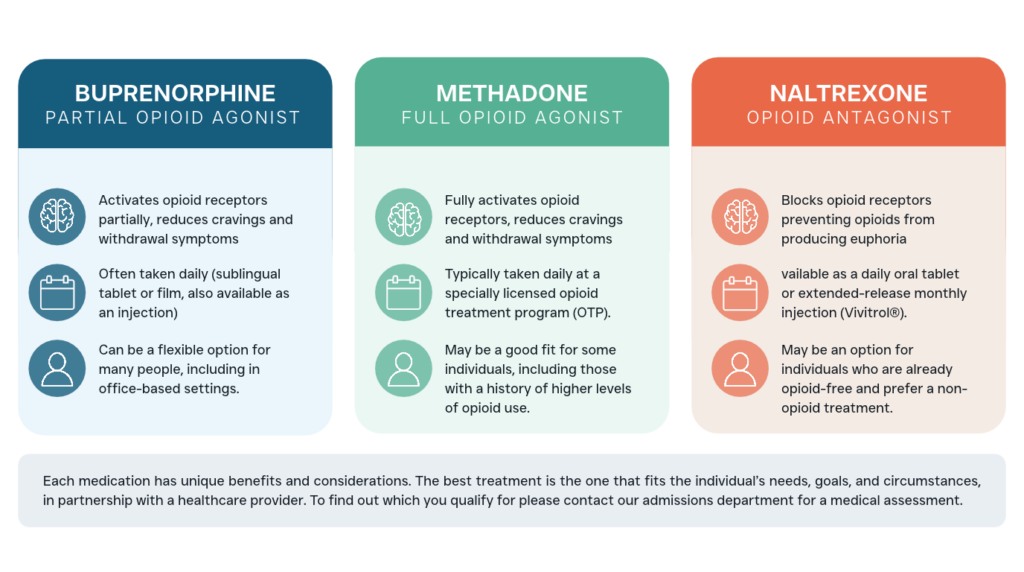
There are three FDA-approved medications used to treat opioid use disorder: buprenorphine, methadone, and naltrexone. Medicaid programs are required to cover medications and related services that fall under the federal MOUD benefit. Plan rules, pharmacy requirements, provider networks, and authorization processes can still vary.
These medications do more than manage withdrawal. Medication treatment for OUD is associated with a lower risk of overdose and overall mortality. The right medication depends on the patient’s history, current opioid use, health, treatment setting, and personal preferences.
How Medicaid Supports Mental Health and Co-Occurring Disorder Treatment
Opioid use disorder does not always occur on its own. Patients may also experience depression, anxiety disorders, trauma-related conditions, bipolar disorder, or other mental health concerns. Treating only the opioid use can leave important factors unaddressed.
Medicaid is a major source of behavioral health coverage in the United States. It covers nearly one-third of adults with mental illness and almost half of adults with opioid use disorder. Depending on the state and plan, covered services may include psychiatric care, therapy, medication management, crisis services, and substance use disorder treatment.
Integrated treatment allows clinical teams to address both conditions at the same time. This can improve continuity and help patients build a treatment plan that extends beyond withdrawal management.
Why Access to Treatment Matters After an Opioid Overdose
Surviving an opioid overdose does not mean the danger has passed. A previous overdose is an important risk factor for another overdose. Connecting someone with evidence-based OUD treatment after an overdose can reduce that risk.
Medication treatment is especially important. CDC guidance states that MOUD is associated with lower overdose risk and lower overall mortality. Research involving people who survived a nonfatal overdose also found that methadone and buprenorphine treatment were associated with lower all-cause and opioid-related mortality compared with receiving no medication treatment.
Insurance coverage matters during this period. Medicaid can help pay for follow-up appointments, medications, behavioral health services, and ongoing addiction treatment. This can make it easier to move from emergency care into longer-term treatment.
Medicaid and the Opioid Epidemic in Ohio
Ohio has been heavily affected by the opioid epidemic. The state has used Medicaid to expand access to substance use disorder treatment and medications for opioid use disorder. Ohio Medicaid bases covered SUD treatment services on American Society of Addiction Medicine (ASAM) levels of care, which help match patients with treatment based on clinical severity and need.
The scale of Medicaid’s behavioral health funding in Ohio is substantial. In 2024, more than $1 billion in federal Medicaid funds supported behavioral health services for Ohio’s Medicaid expansion population. These services included outpatient counseling, psychiatric medical services, and residential drug treatment. Forty percent of Ohio Medicaid expansion members had a primary mental health or substance use disorder diagnosis that year.
Get Opioid Addiction Treatment With Medicaid at Milton Jefferson Recovery
Opioid use disorder is treatable. Effective care addresses more than withdrawal. It can include medication, behavioral therapy, mental health treatment, relapse prevention, and continued support after a patient leaves a structured program.
Milton Jefferson Recovery accepts Medicaid and provides addiction treatment for patients in Jefferson County, Ohio. Our team can review your coverage, discuss available treatment options, and help determine the appropriate next step based on your clinical needs.
If you or someone you love is struggling with fentanyl, heroin, prescription opioids, or another opioid, treatment does not have to wait until another overdose occurs. Contact Milton Jefferson Recovery to verify Medicaid benefits and learn more about opioid addiction treatment in Jefferson County, Ohio.