
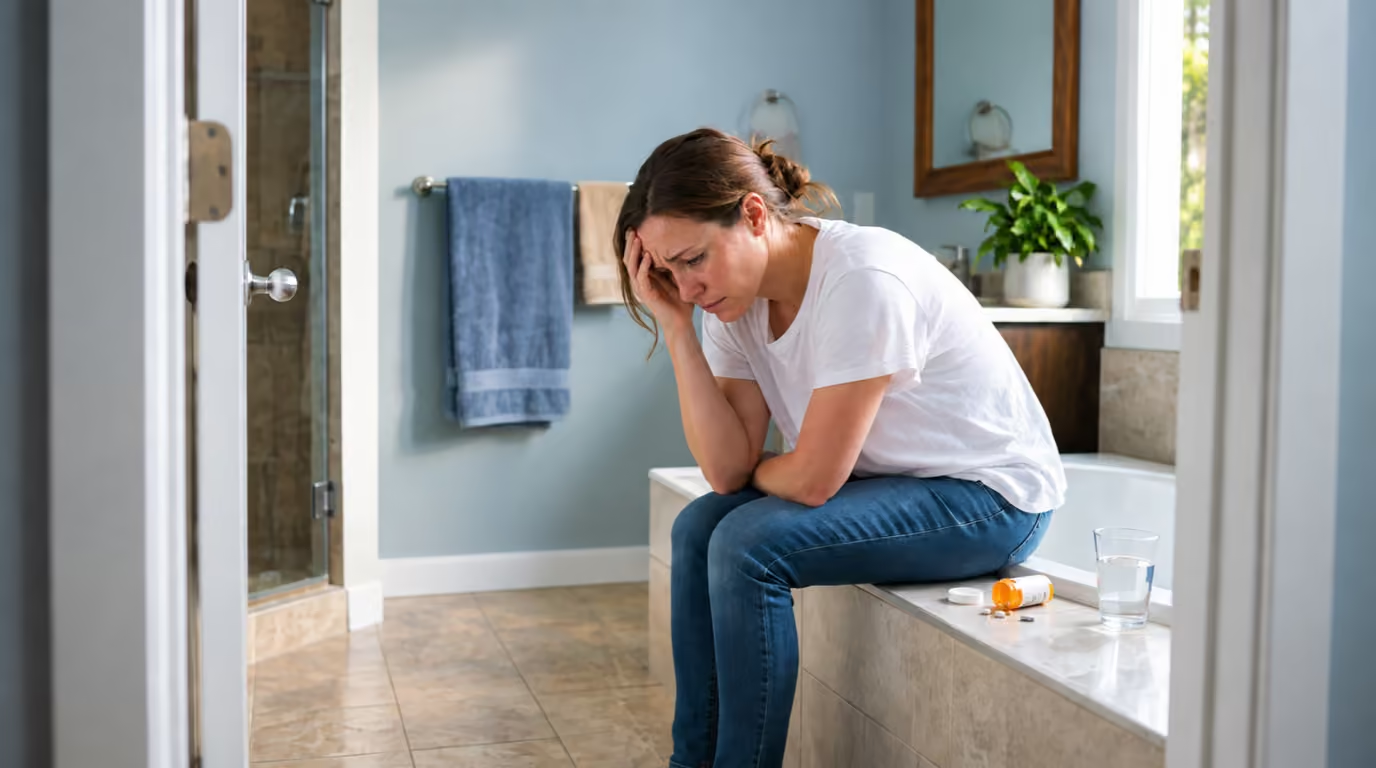
Drinking to calm your nerves can become a habit before you realize how much you’re relying on alcohol. You may feel better for a few hours, only to experience more anxiety as the effects wear off. Drug use can create similar problems, particularly when anxiety develops during intoxication or withdrawal. Over time, managing these symptoms without substances may become increasingly difficult.
If you’re struggling with anxiety and addiction, understanding the relationship between the two conditions is an important part of getting help. Some symptoms result from substance use, while others may indicate an underlying anxiety disorder. Treatment needs to account for these differences, especially when physical dependence makes stopping alcohol or drugs potentially dangerous.
What to Do When Anxiety and Substance Use Become Difficult to Manage
Start by paying attention to how often you rely on alcohol or drugs to manage anxiety. You might need a drink before social situations or find yourself taking more prescription medication than directed. Even if you’re keeping up with your responsibilities, these changes can indicate that substance use is becoming a problem.
If you’re noticing these patterns, Milton Jefferson Recovery’s admissions team can help you understand your options. During a private conversation, you can explain your substance use, anxiety symptoms, and treatment concerns. The team can review insurance benefits and explain what happens during intake, including a clinical assessment that evaluates withdrawal risks, the severity of substance use, and co-occurring mental health symptoms. These findings help determine the appropriate level of care.
If you regularly drink heavily or have developed benzodiazepine dependence, do not stop abruptly without medical guidance. Withdrawal can cause serious complications, including seizures.
When Does Anxiety Become a Disorder?
Anxiety is a normal stress reaction. Feeling nervous before a job interview or worrying about financial problems does not necessarily mean you have an anxiety disorder. However, persistent fear or worry that becomes difficult to control and interferes with everyday life may indicate an anxiety disorder.
The National Institute of Mental Health (NIMH) identifies several types of anxiety disorders, including generalized anxiety disorder (GAD), social anxiety disorder, and panic disorder. Common symptoms of anxiety include excessive worrying, muscle tension, difficulty concentrating, and a racing heartbeat. The type of anxiety disorder and its effect on daily functioning influence treatment decisions.
Understanding the Connection Between Anxiety and Addiction
Addiction and anxiety can affect one another, although having an anxiety disorder does not mean someone will develop a substance use disorder. Someone who drinks to manage persistent worry may gradually begin relying on alcohol more frequently. Repeated substance use can then worsen anxiety, especially when physical dependence develops.
The relationship between anxiety and alcohol use is particularly important. The National Institute on Alcohol Abuse and Alcoholism (NIAAA) explains that anxiety disorders frequently occur alongside alcohol use disorder. Heavy drinking and repeated withdrawal can increase anxiety symptoms over time.
When someone has both an anxiety disorder and a substance use disorder (SUD), clinicians refer to them as co-occurring disorders, often called a dual diagnosis. Recognizing both conditions helps guide treatment when persistent anxiety may interfere with recovery.
How Alcohol and Drugs Can Make Anxiety Worse
Alcohol may temporarily reduce anxiety, but symptoms can return as its effects wear off. Some people experience increased worry, a racing heartbeat, or difficulty sleeping after drinking. Frequent alcohol use can make these symptoms more persistent, especially when physical dependence develops.
Stimulants such as cocaine and methamphetamine can cause agitation, nervousness, and panic attacks. Cannabis may also trigger anxiety or paranoia, particularly with higher amounts of THC. These symptoms can develop during intoxication, even in people without a diagnosed anxiety disorder.
Prescription benzodiazepines, including Xanax and Ativan, can treat certain anxiety conditions but may cause physical dependence with regular use, even when taken as prescribed. Stopping abruptly can lead to severe withdrawal symptoms, including seizures. The U.S. Food and Drug Administration (FDA) advises patients to work with their prescribing healthcare professional before reducing or discontinuing these medications.
Signs You May Need Treatment for Anxiety and Addiction
Anxiety and substance use can become serious concerns even when you’re keeping up with work and daily responsibilities. You might find yourself drinking more frequently to manage stress or planning activities around access to alcohol or drugs. These changes can develop gradually, making it difficult to recognize when substance use has become a problem.
Signs of a substance use disorder may include using more than intended, experiencing strong cravings, or repeatedly struggling to cut back. You may also continue using substances despite problems with your health or relationships. If anxiety becomes worse between periods of substance use, you might feel increasingly dependent on alcohol or drugs for relief.
Persistent anxiety also deserves attention when it disrupts sleep or makes everyday activities difficult. Frequent panic attacks and avoiding situations because of intense fear may indicate an underlying anxiety disorder. You don’t need to experience a major crisis before seeking treatment, particularly when substance use has become your primary way of managing anxiety.
Can Substance Withdrawal Cause Anxiety?
Anxiety can develop or become more intense when someone reduces or stops using a substance their body has become dependent on. A person who drinks heavily every day may wake up feeling shaky or restless after several hours without alcohol. Drinking again may temporarily relieve these symptoms, making physical dependence harder to recognize.
Withdrawal symptoms depend on the substance. Alcohol withdrawal can cause anxiety, sweating, and a rapid heartbeat. Opioid withdrawal may cause intense restlessness, while benzodiazepine withdrawal can lead to rebound anxiety. Alcohol and benzodiazepine withdrawal can also cause dangerous complications, including seizures.
Milton Jefferson Recovery’s medical detox program in Steubenville, Ohio, provides medical monitoring and withdrawal management. Healthcare professionals help patients stabilize and evaluate their need for ongoing addiction treatment. Anxiety may improve as withdrawal resolves, but persistent symptoms may require additional mental health care. Seizures, hallucinations, or severe confusion during withdrawal require emergency medical attention.
How Does Dual Diagnosis Treatment Address Anxiety and Addiction?
Completing detox may resolve physical withdrawal symptoms, but someone can continue experiencing panic attacks or persistent worry afterward. When these symptoms contribute to substance use, treating the addiction without addressing an underlying anxiety disorder may leave important concerns unresolved.
For adults seeking dual diagnosis treatment in Ohio, Milton Jefferson Recovery offers integrated care for substance use and co-occurring mental health disorders. Treatment may involve behavioral therapy, psychiatric care, and medication management when clinically appropriate. The clinical team considers how each condition affects the other and adjusts the treatment plan as patients progress. Addressing both conditions gives patients opportunities to manage anxiety without returning to alcohol or drugs.
Behavioral Therapy for Anxiety and Substance Use
Behavioral therapy helps patients change habits that connect anxiety with substance use. For example, someone who regularly drinks after a stressful workday may struggle to manage uncomfortable feelings without alcohol. Therapy can help them recognize what leads to drinking and practice different ways of responding to stress.
Cognitive behavioral therapy (CBT) helps patients identify thought patterns that contribute to anxiety and substance use. It also addresses avoidance behaviors that can make anxiety harder to manage. Dialectical behavior therapy (DBT) focuses on emotional regulation and distress tolerance, which can help patients manage intense feelings without relying on substances. These approaches can be part of addiction treatment for patients with co-occurring anxiety disorders.
Psychiatric Care and Medication Management
Medication may be appropriate when an anxiety disorder continues to interfere with daily life during addiction recovery. A psychiatric evaluation can help determine whether medication is needed and which options are appropriate based on the patient’s symptoms, medical history, and substance use.
Some antidepressants, including selective serotonin re-uptake inhibitors (SSRIs), can treat anxiety disorders without the dependence risks associated with benzodiazepines. However, these medications take time to work and require monitoring for side effects. Patients already taking psychiatric medication may also need adjustments as their symptoms change during recovery. A qualified prescriber should oversee these decisions, particularly when a patient has a history of substance dependence.
What Level of Addiction Treatment Do You Need?
The appropriate level of addiction treatment depends on the severity of your substance use, withdrawal risks, and how anxiety affects your daily life. Patients with significant physical dependence may need medical detox before beginning ongoing treatment. Others may benefit from inpatient rehab or structured outpatient programs that allow them to continue living at home.
Co-occurring mental health conditions can also influence treatment decisions. The goal is to find a program that provides enough medical supervision and therapeutic care to address your current needs.
Medical Detox and Inpatient Addiction Treatment
Patients with significant physical dependence may need medical detox to manage withdrawal before continuing addiction treatment. At Milton Jefferson Recovery, medical detox provides medical monitoring and treatment for withdrawal symptoms. Detox helps patients stabilize, but it does not address all the behaviors that contribute to addiction.
Inpatient addiction treatment offers a structured residential setting with ongoing clinical care. Patients participate in therapy that addresses their substance use and any co-occurring mental health conditions. This level of care may be appropriate when someone needs more supervision than outpatient treatment can provide.
Partial Hospitalization and Intensive Outpatient Programs
A partial hospitalization program (PHP) may be appropriate for patients who do not require 24-hour supervision but still need intensive addiction treatment several days a week. Someone who has completed detox but continues experiencing strong cravings or anxiety that interferes with daily functioning may benefit from PHP’s structured therapy schedule. Patients participate in treatment during the day and return to an appropriate living environment afterward.
An intensive outpatient program (IOP) may fit patients who need regular addiction treatment but can safely manage more time outside the program. For example, someone who is medically stable but continues struggling with substance use and anxiety may benefit from scheduled therapy while maintaining work or family responsibilities. Milton Jefferson Recovery offers both programs as treatment options for adults seeking addiction treatment in Ohio. The decision depends on symptom severity, stability at home, and how much clinical structure a patient needs between sessions.
Anxiety and Addiction Treatment at Milton Jefferson Recovery in Ohio
Finding an Ohio drug rehab that also addresses co-occurring anxiety can be important when substance use has become a regular way of managing distress. Milton Jefferson Recovery provides addiction treatment in Steubenville, Ohio, for adults who need care for substance use disorders and related mental health concerns. Our programs include medical detox, inpatient rehab, partial hospitalization (PHP), and intensive outpatient treatment (IOP). Treatment plans reflect each patient’s clinical needs and may incorporate behavioral therapy and psychiatric support.
If you’re looking for anxiety and addiction treatment in Ohio, you don’t need to decide which program fits before contacting us. Our admissions team can discuss what you’ve been experiencing, help verify insurance benefits, and explain the intake process. Contact Milton Jefferson Recovery to learn how treatment can address your substance use while accounting for your anxiety symptoms.